
Biodiversity and wild lands
Discovering Quebec’s iconic wildlife

Black bear watching in the laurentians
The Laurentians are the preferred habitat of the black bear, an iconic Quebec mammal. Its mixed forests provide the ideal setting for safe wildlife observation during photo safaris that respect the animals. These excursions showcase the bear’s omnivorous diet and ecological role, offering visitors an immersive interpretive experience in the heart of the wild territory.
Migratory birds and key birdwatching stopovers
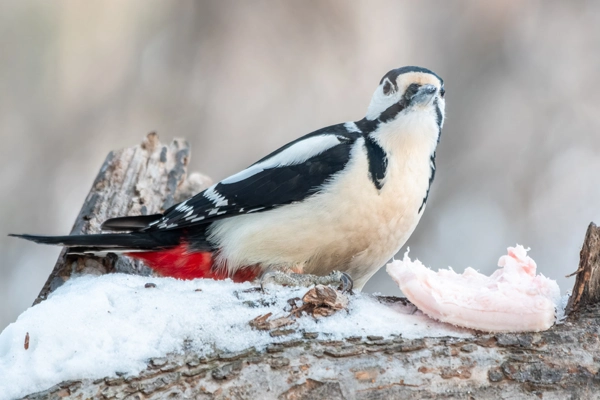
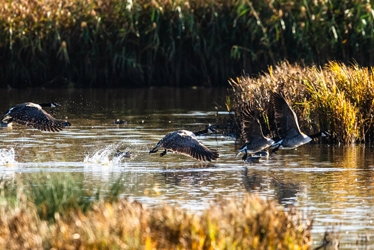
Each year, the river corridor becomes a vital migratory route for thousands of birds. Snow geese, Canada geese, and great herons inhabit these wetlands, attracting amateur ornithologists. Specialized facilities allow for observation without disturbing nesting or stopover sites, offering unique views of the marshes and protected coastal areas.
Beavers, icons of the mauricie lakes
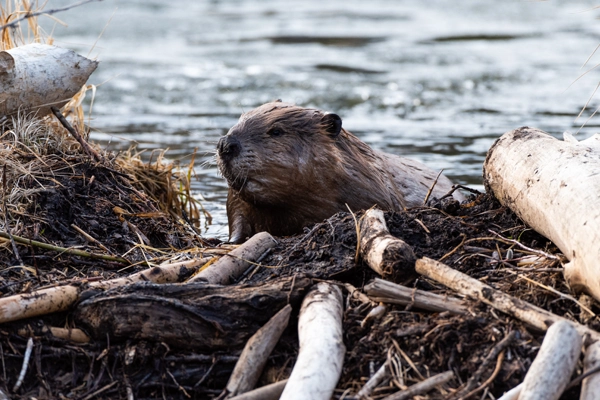
In Mauricie, the Canadian beaver, a natural engineer, shapes the ecosystem. Its dams and lodges structure the lakes, creating wetlands that are vital for biodiversity. Hikers and naturalists can spot its tracks along the trails or observe its activity at dusk—the perfect time to admire this hardworking rodent in its aquatic habitat.
Pets: responsible adoption and well-being
Harmonious coexistence at home
Domestic companions, sources of comfort, help maintain household balance. From indoor cats to active dogs, they strengthen the human-animal bond. However, their needs require proper identification, regular veterinary care, and daily exercise to ensure physical health and a lasting relationship.
- Gentle training fosters mutual understanding.
- Veterinary follow-ups ensure a fulfilling life.
- Thoughtful commitment prevents abandonment and suffering.

Marine giants of the St. Lawrence and the Fjord
Estuary and gulf
The cold waters of the St. Lawrence harbor immense marine biodiversity, from humpback whales to resident belugas. The maritime estuary and rocky shores create a habitat rich in krill for cetaceans. Tides shape coastal life, connecting these essential saltwater ecosystems for observing northern marine mammals.
Dive into the heart of the boreal forests, the breath of the North
Forest ecosystems

Montmorency forest
Located north of the Capital, Montmorency Forest is an important site for global university research. Managed by Laval University, it offers spectacular landscapes, especially in winter, with exceptional snowfall for Nordic activities on marked trails.

Laurentian forest
At the heart of the massif, the Laurentian Forest is famous for its fiery autumn colors. Its extensive hiking trails, tranquil lakes, and diverse wildlife make it an ideal destination for hikers wishing to explore this unique forested territory.

Boreal forest of Saguenay–Lac-Saint-Jean
Part of the vast northern biome, this forest impresses with its immense wilderness. Conifers, winding rivers, and rich wildlife—including moose and gray wolves—offer a full immersion in a preserved natural environment.

Mont-Tremblant forest
This former protected area of Quebec is a true natural gem. Comprising mountains, rivers, and vast maple groves, it provides an ideal setting for long hikes, canoe-camping, wildlife observation, and outdoor activities.
Endangered species: a fragile balance to preserve
Conservation and habitats
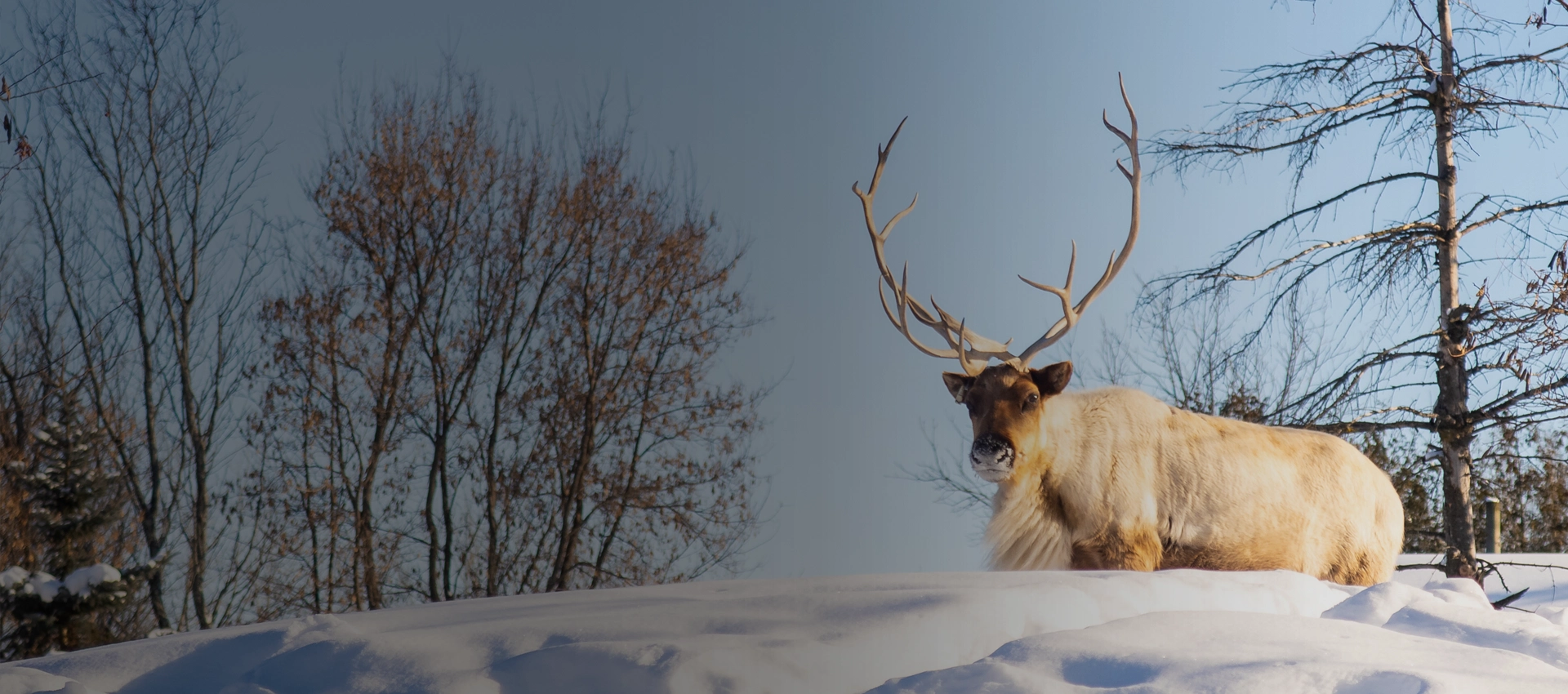
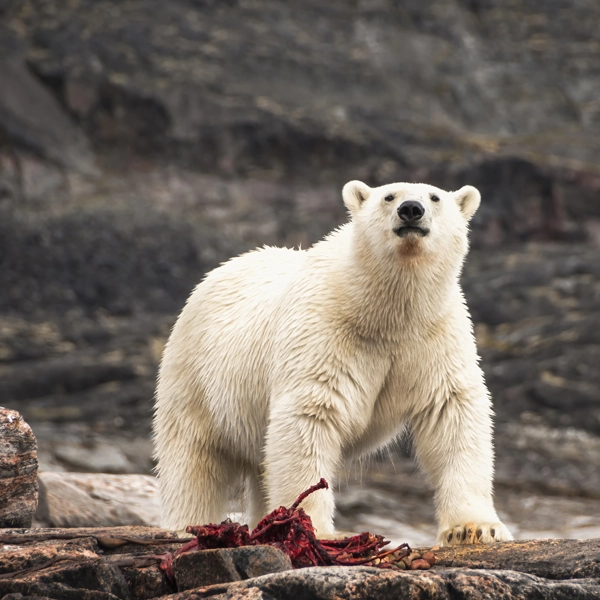
The protection of vulnerable species, such as the woodland caribou, depends on safeguarding their habitats in the face of climate change. The decline of a key species destabilizes the entire boreal biodiversity. Preserving ecological corridors is a vital response to maintain fragile populations and support the regeneration of natural environments.
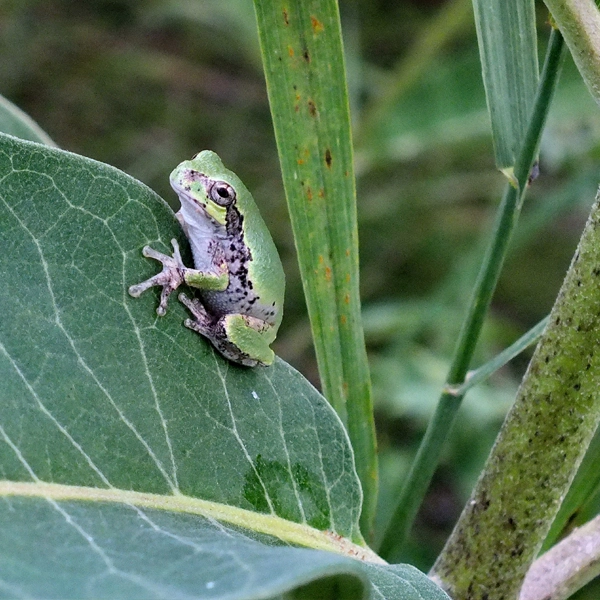
Trophic networks illustrate the vulnerability of living systems, where each local extinction, such as that of the spring peeper, weakens the whole. Urban sprawl and pollution threaten this balance. Understanding these challenges encourages ecological restoration and ensures the continuity of natural heritage for future generations.

Three ways to explore Quebec’s wilderness
Adventure and discovery tourism
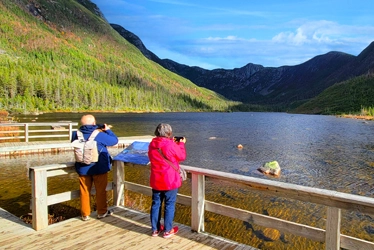
Join a guided wildlife observation
Several regions offer excursions to safely observe moose, bears, or blue whales. These outings allow visitors to discover animals in their natural habitat with the help of naturalist guides. Led by experts, participants learn to identify tracks, interpret animal behavior, and respect the environment. These activities provide a unique ecotourism experience that combines adventure and learning while promoting a responsible approach to nature.
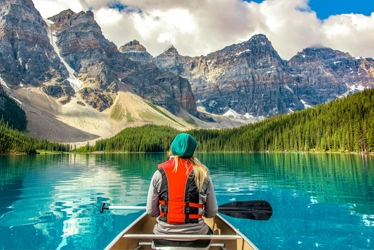
Explore National Parks and wildlife reserves
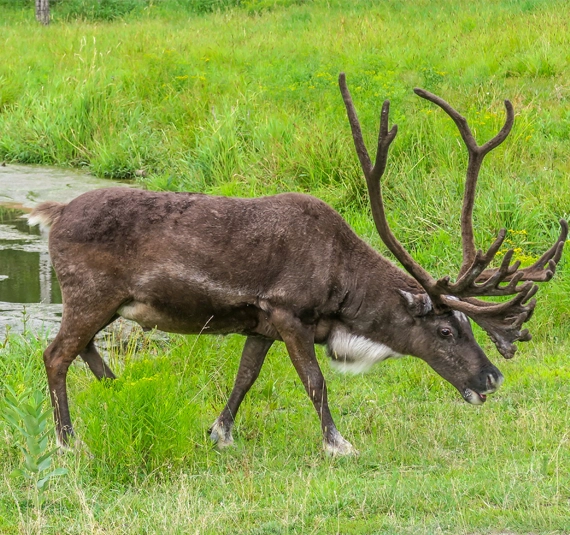
The province is home to numerous parks where visitors can spot caribou, red foxes, or seabirds. Trails, lookouts, and observation areas enable respectful wildlife encounters. Each site protects diverse ecosystems, from the taiga to the coastal zones, showcasing local biodiversity. Visitors can enjoy long hikes, kayaking, or wildlife photography while taking advantage of well-equipped camping facilities.
Participate in nature interpretation activities
Discovery centers offer workshops on biodiversity, tracking, and birdwatching. They provide an excellent way to learn while enjoying an immersive experience. These programs help develop a deep understanding of natural cycles, habitats, and conservation challenges. Designed for families, the workshops feature interactive learning, where participants handle specimens, follow tracks, listen to park rangers, and discover wildlife in a fun and enriching way.